
Sources
To investigate the history, state of, and progression of wealth inequality in the U.S., our team decided to use the Distributional Financial Accounts (DFA) dataset from the Federal Reserve. The DFA combines Financial Accounts of the United States and the Survey of Consumer Finances to track quarterly estimates of household wealth from the late 1980s through part of 2025, covering major groups such as race, income, age, and education.
Before any processing could be conducted, we examined the silences present in our dataset. Glaring omissions included the race category only including White, Black, Hispanic, and other, and the education category discriminating between levels of high school and college education, while ignoring other forms. More information about the dataset can be found on the data Critique Page. Moreover, we noted that these measures were collected by the Federal Reserve, which focuses on reinforcing institutional and policy perspectives of the U.S. government– a government that has used data collection and state observation to enforce oppression of minorities in the past. As such, Trouillot’s Silencing the Past shapes our approach toward examining and constructing narratives that do not reinforce historical injustices and instead justly examine current trends.
Along with this dataset, we reviewed journal articles examining the evolution of wealth inequality both before and during the period covered by this dataset.
Processing
The raw data comes as a ZIP file containing about 24 CSVs, all following the same structure, which made it easy down the line to merge and analyze. These CSVs covered education, generation, income, net worth, race, and age. For our project, we selected all categories except generation and ended up with 10 CSVs that focused on race, income, education, and overall net worth. The organization of the data included two csv files for each of these variables with one for the levels and another for the shares. The “levels” csv files contain the raw numbers for the components of wealth while the “shares” csv files contain the proportion of the wealth.
The data was minimally processed as it lacked any NA or null values, but did require reorganization as there were 29 variables over the 10 CSVs files. There were minimal amounts of outliers, which were identified using Breve.
We later standardized all the CSV files into one combined dataset with consistent columns using Python’s pandas library for efficient merging and data manipulation. The group_type variable identifies the broad category of data, such as race, age, education, income, or net worth, while the category variable represents the specific subgroup within each group_type, such as individual racial groups, particular age ranges, or education levels. The value_type variable indicates whether the data represents total dollar amounts of wealth (Levels) or the percentage of total U.S. wealth owned by each group (Shares). The variable column includes key components of household wealth such as assets, liabilities, real estate, pensions, private business, and consumer credit. Finally, the Date, Year, and Quarter columns capture the time dimension of each observation.
After merging all of our data using pandas, the dataset contained 18 columns. The group_type column was then unpivoted, converting the dataset into a row format that could be easily used for visualizations in Tableau, resulting in a long-format structure with 8 columns. Tableau was the primary tool used to create our visualizations, allowing us to effectively explore and display trends in wealth distribution across different groups and time periods.
Presentation
To present the information we found; the data, its visualizations, and the narrative using numerous articles listed within our bibliography, our team decided to use WordPress. Much of what we were communicating about the data could be represented with bar charts, although several pie charts could be used
Meet the Wealth Education Gap Team
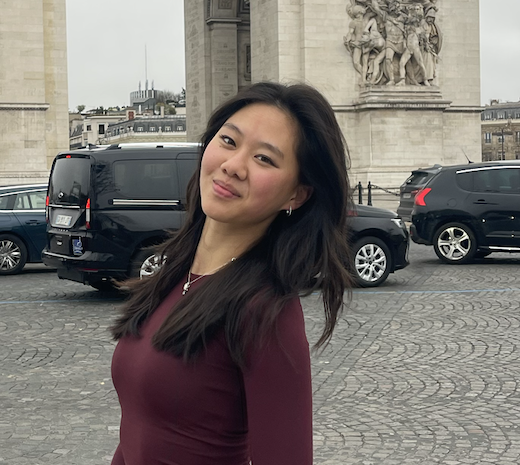
Bebel Yen
Editor
Hi! My name is Bebel and I’m a fourth year studying Statistics and Data Science at UCLA. As the editor, most of my role in this project involved overseeing the overall “look” of the project to ensure consistent design, readability, and accessibility. I also worked to make sure that all elements of the project are present and edited the narrative to correct organizational, spelling, and grammatical errors.

Hartejh Surikapuram
Data Specialist
Hi, my name is Hartejh and I’m a junior majoring in Statistics and Data Science at UCLA. For this project, I focused on cleaning and analyzing the data, and led overall ideation, organized meetings, and facilitated discussions to keep our team on track.
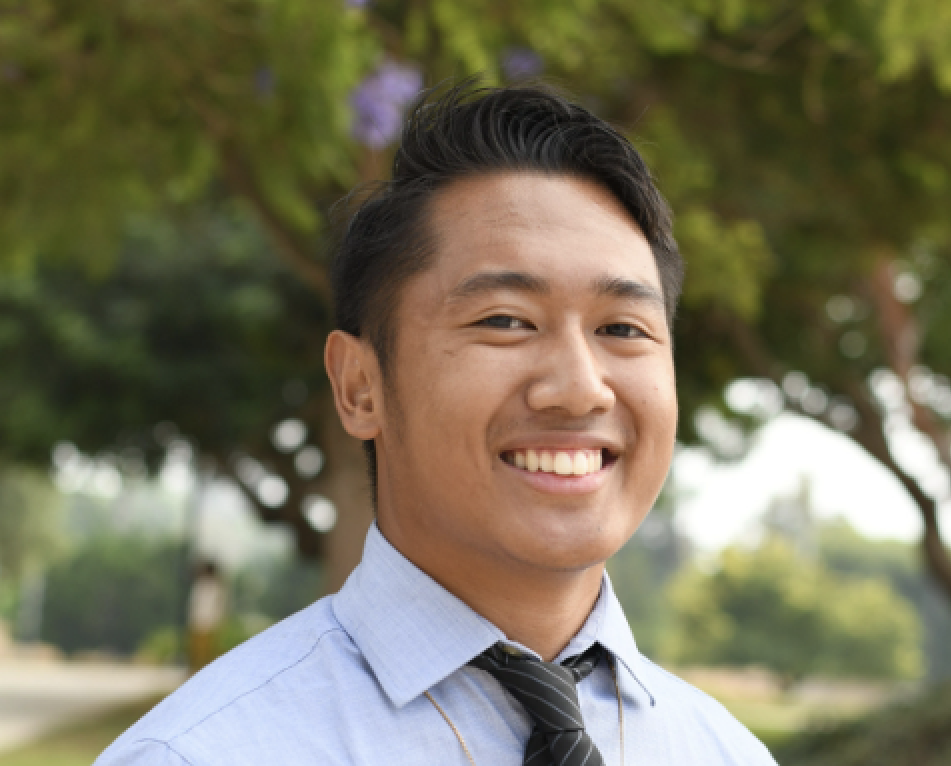
Jacob Jaramilla
Project Manager
Hi! My name is Jacob, and I am a fourth year Mechanical Engineering major at UCLA. As a project manager, much of my responsibility prioritized organizing deadlines and ensuring work by all group members in contribution to this project was up to quality. This involved checking the convenience of each individual group member’s schedules in order to inspect certain times that would be appropriate for the most efficient collaboration.

Michael Jung
Web Designer
Hi, I’m a third year Statistics and Data Science major at UCLA. As the web designer, I focused on building a clean and accessible website that effectively communicates our team’s findings. I also worked closely with the data visualization and editing team to integrate charts, text, and design elements in a way that enhances readability and user experience.

Misha Ivashchenko
Data Visualization Specialist
Hi! My name is Misha, and I’m a third year Data Theory major at UCLA. As the data visualization specialist, I focused on creating clear and insightful representations of our data that integrated smoothly into the narrative and structure of the project. I also worked on exploring the dataset and the biases implicit in its construction.

Seokwon Choi
Content Developer
Hello! My name is Seokwon, and I am a fourth year studying Statistics and Data Science at UCLA. As the content developer I ensured that our data presentations aligned with the project’s narrative and didn’t present misleading or irrelevant information. I also collaborated with the team on organizing information as well as curating relevant literature and media.
Acknowledgements
Professor Kurtz
As the instructor for the class, she introduced us to a variety of tools and technologies such as WordPress and Tableau, which were essential in the creation of this project and in developing our understanding of Digital Humanities.
Kai Nham
As our TA, he provided thoughtful guidance and consistent support during discussion sections as we learned to use many of these tools for the first time. His feedback and patience throughout the quarter were a big help in guiding our group.